

Can Nonplayers Join Padel Holidays? Yes

A great padel holiday should not leave one person staring at the pool clock while everyone else is on court. So, can nonplayers join padel holidays? Absolutely. When the trip is planned well, padel becomes part of the itinerary rather than the entire itinerary - giving players serious time to train and giving nonplayers a Spanish escape they will genuinely enjoy.
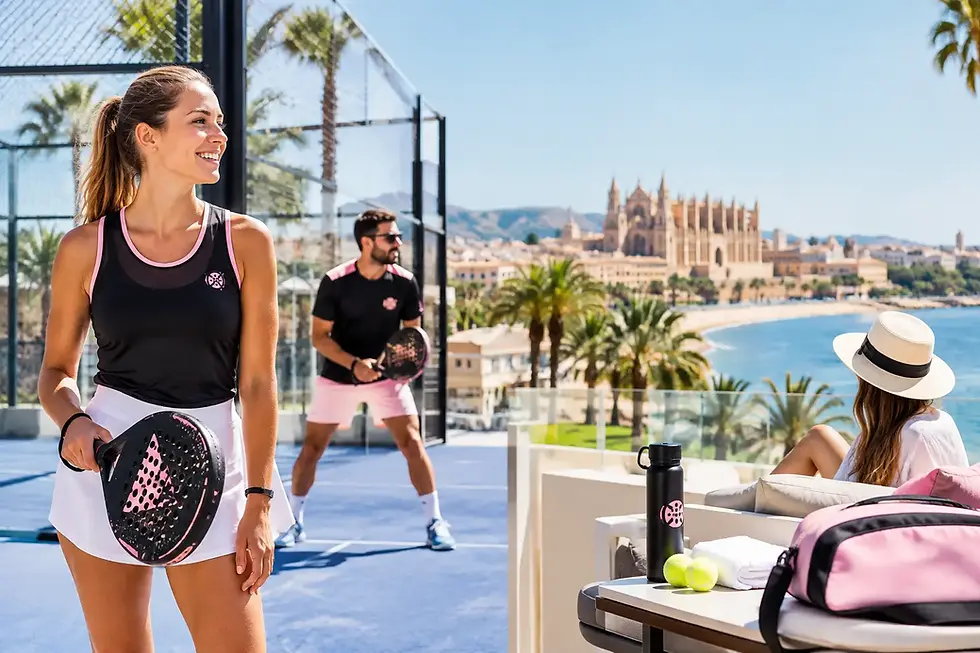
For couples, families and friendship groups, this is often the difference between a good sporting break and a holiday everyone wants to repeat. Spain offers the ideal setting: exceptional clubs and coaching for the players, alongside beaches, food, historic neighbourhoods, shopping and easy day trips for everybody else.
Why mixed padel holidays work so well
Padel sessions are naturally contained. A typical training block might run for 90 minutes to two hours, perhaps with match play later in the day. That still leaves generous time for a long lunch, a walk through the old town, a beach afternoon or dinner together. Unlike a full-day ski schedule or a tightly timetabled tour, padel can fit around the holiday rather than take it over.
There is also a welcome rhythm to it. Players return from court energised, with stories about a new volley technique or a close set. Their travelling companions have had time to enjoy the destination at their own pace. Then the group reconnects over tapas, a sunset drink or an evening reservation. Nobody needs to pretend they are passionate about bandejas to feel included.
This format works particularly well when one partner plays regularly and the other does not, but it is equally suited to groups where only a few people want coaching. It can even work for families with teenagers, provided sessions and local plans are arranged around the right times of day.
What can nonplayers do while the group trains?
The answer depends on the destination, the season and what the nonplayer actually enjoys. That last point matters. A premium padel break should not offer a vague promise of “free time”; it should leave room for a holiday shaped around individual interests.
In Barcelona, a morning on court can pair beautifully with Gaudí architecture, galleries, the Gothic Quarter or an afternoon by the sea. In Valencia, visitors can combine the beach, vibrant food markets and the City of Arts and Sciences. Málaga and Marbella bring coastal living, excellent restaurants and easy access to stylish beach clubs, while Sevilla suits travellers who prefer historic streets, flamenco, grand architecture and a slower lunch culture.
Alicante, Mallorca and the Costa Brava are especially strong choices for groups who want sun, scenery and relaxed days close to the water. Some nonplayers will be happiest with a spa booking or a book by the pool. Others may prefer a winery visit, a cooking experience, a boat trip, golf or a guided city walk. The point is not to fill every hour. It is to build a trip where their time feels considered rather than incidental.
Keep the diary flexible
The strongest itineraries have a few anchors - coaching times, a standout dinner, perhaps one shared excursion - but do not over-schedule every minute. If the players have an intensive morning session, the whole group may want a slower afternoon. If one person wants to explore while another wants to rest, that is perfectly fine too.
Spain’s late dining culture helps here. A nonplayer can enjoy a full day independently, while players can train, shower and still join everyone for a long, unhurried evening meal.
Choosing the right padel programme
Not every padel holiday is equally suitable for nonplayers. A high-intensity camp with two daily sessions, fitness work and scheduled matches may be ideal for a player who wants rapid improvement, but less appealing if their companion expects to spend most of the day together. There is no wrong choice, provided expectations are clear before booking.
For mixed groups, private and custom-built experiences are often the best fit. Coaching can be arranged for mornings, on selected days, or around a wider travel plan. A player may choose private lessons to focus on technique, while another books a small group session for the social side of the sport. That flexibility creates more shared holiday time without compromising the quality of training.
At Spain Padel Experiences, personalised programmes can be shaped around the group’s playing level, preferred city, pace and accommodation needs. That means nonplayers can stay within the same travel plan and enjoy the destination without being required to attend every club visit or coaching block.
Match the destination to the whole group
A player may dream of the strongest local club and longest court schedule. Their nonplaying companion may be more interested in a walkable city, a beach nearby or a hotel with a calm pool area. Both priorities deserve a place in the decision.
For a first mixed holiday, a destination with a broad choice of activities is usually the safest option. Barcelona, Valencia, Málaga and Mallorca are particularly versatile. For a more romantic break, Marbella or the Costa Brava may suit. For culture-led travellers, Sevilla offers an experience that feels distinctly different from a resort stay.
Accommodation also changes the feel of the trip. A central hotel makes independent sightseeing easy, while a coastal property may be better for travellers who want quiet time between shared plans. Consider journey times to the club as well. Spending an hour each way in traffic can turn a simple training session into a much bigger interruption to the day.
Practical details to agree before booking
A little honest planning avoids the only real source of tension on a mixed sporting holiday: mismatched assumptions. Players should be clear about how much court time they want. Nonplayers should say whether they prefer shared meals and excursions, independent exploring, or a balance of both.
Discuss the training schedule first, then plan around it. Morning sessions tend to work well because they leave afternoons open, especially in warmer months. If a group wants several intense coaching days, it can be wise to add a rest day in the middle for a shared excursion or a leisurely beach day.
Budgeting should be transparent too. Nonplayers may not pay for court hire or coaching, but they still need accommodation, transfers and any experiences they choose. A tailored quotation should make these elements easy to understand, rather than bundling in activities nobody wants.
It is also worth checking whether a club welcomes spectators. Many do, and it can be fun for a partner or friend to watch a session briefly, particularly if the player is having a private lesson. But nonplayers should never feel obliged to spend hours courtside. The best holiday gives them a choice.
Can a nonplayer try padel during the trip?
Often, yes - and this can be a lovely bonus rather than the purpose of the break. Padel is social, approachable and quick to enjoy at a beginner level. A nonplayer may decide to join a one-off introductory session, hit a few balls with the group, or book a relaxed lesson with an English-speaking coach.
That said, do not build the holiday around the hope that they will become a player overnight. Some people will love the first session; others will happily cheer from the terrace and return to their own plans. Both responses are part of a successful trip.
If they are curious, choose an informal introduction with no pressure to perform. Comfortable sportswear, suitable trainers and a willingness to laugh at the first few missed shots are enough. The coach can take care of the rest.
A better way to travel together
The most memorable padel holidays do not divide a group into players and nonplayers. They give each person a reason to look forward to the day. One traveller might be refining their serve with a Spanish coach; another might be choosing a lunch spot in a sunlit square. Later, both bring something to the table.
When planning your Spanish padel break, protect the court time that will help players improve, then give everyone else the freedom to enjoy the destination on their own terms. That is how a padel holiday becomes a genuinely shared experience.


Comments