
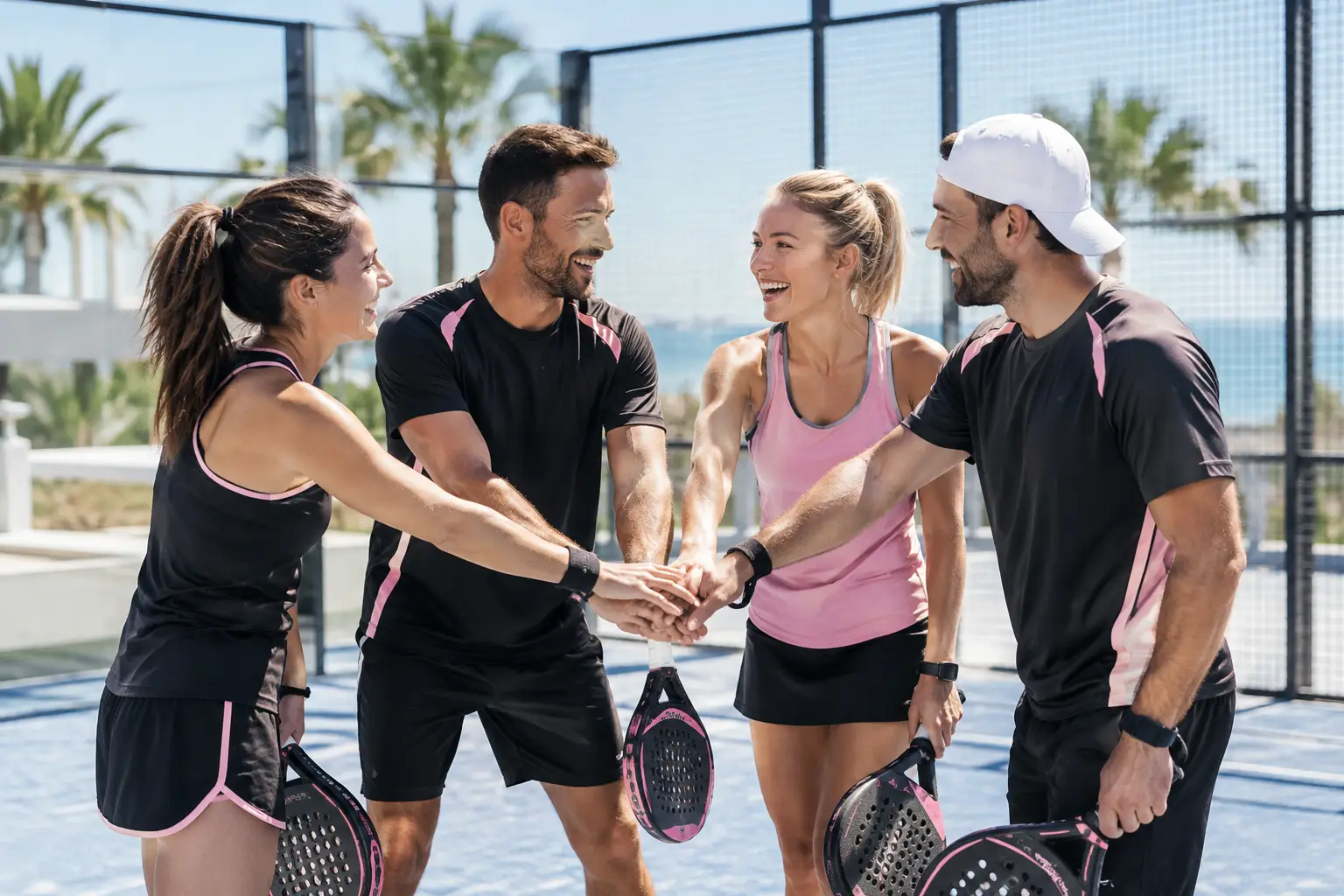
Corporate Team Building Through Padel in Spain

A team can spend a day in a meeting room discussing communication, trust and performance. Or it can step onto a padel court, face a fast-moving ball together and practise those same skills under just enough pressure to make them real. That is what makes corporate team building through padel so effective: the learning is active, social and genuinely enjoyable.
For international teams, Spain adds another layer. This is padel’s natural home, with exceptional clubs, highly experienced coaches and destination cities that turn a company event into a rewarding shared escape. The right programme is not simply a sports session with a meal attached. It is a professionally organised experience that gives every guest a place in the action, whether they are picking up a racket for the first time or playing competitive matches every weekend.
Why padel works for corporate team building
Padel is unusually well suited to mixed groups. The court is compact, the walls keep rallies alive and doubles is the standard format. That means people are involved quickly, rather than standing on the edge waiting for their turn. A strong player cannot win alone, and a beginner can contribute from the first session with clear coaching and the right match format.
The game also exposes useful team behaviours without making the exercise feel forced. Players have to call the ball, cover space, recover after an error and adapt to a partner with a different style. They discover that good communication is brief and timely, that encouragement changes confidence, and that a simple agreed plan often beats individual talent.
That does not mean every business challenge needs to be translated into a sporting metaphor. Sometimes the greatest value is simpler: colleagues who normally communicate through scheduled calls share a laugh, support one another and return to work with warmer relationships. For distributed teams, that human connection can be the most valuable outcome of the trip.
Build the experience around your team
The best corporate padel events start with a clear brief. Is the group gathering to celebrate a successful year, welcome new colleagues, reward high performers or bring departments closer together? Each objective calls for a different balance of coaching, competition, hospitality and free time.
A leadership group may prefer a focused private session followed by tactical match play and a quiet dinner where conversations can continue. A larger company group might get more from rotating activities, short coaching stations and an inclusive tournament with changing partners. If the aim is incentive travel, the padel should feel like a highlight within a wider Spanish itinerary rather than a full-day athletic test.
Match the format to ability levels
Ability range is the first practical consideration. A group where most participants are new to padel needs patient instruction, smaller coaching groups and games designed for early success. Starting with scoring rules and technical detail for too long can drain the energy from the day. Skilled coaches know how to get beginners rallying fast, using simple cues and approachable drills.
For an experienced group, the programme can be more performance-led. Advanced coaching, match analysis, tactical themes and a structured tournament create a rewarding challenge. Mixed-level teams require the most thoughtful design. Handicaps, rotating pairings and adjusted scoring can keep matches competitive without putting less experienced players under a spotlight.
There is a trade-off here. A highly competitive tournament can be memorable for committed players but may exclude colleagues who are less sporty. A fully casual session is accessible but may not satisfy a team that has travelled specifically to train. A tailored programme avoids choosing one extreme. It creates moments for improvement and competition while protecting the social atmosphere.
Choose a destination that supports the whole trip
Spain offers the depth of padel culture that corporate groups cannot easily replicate at home. Private club access, professional Spanish coaching and quality facilities set the sporting standard. Yet the destination should also work once everyone leaves the court.
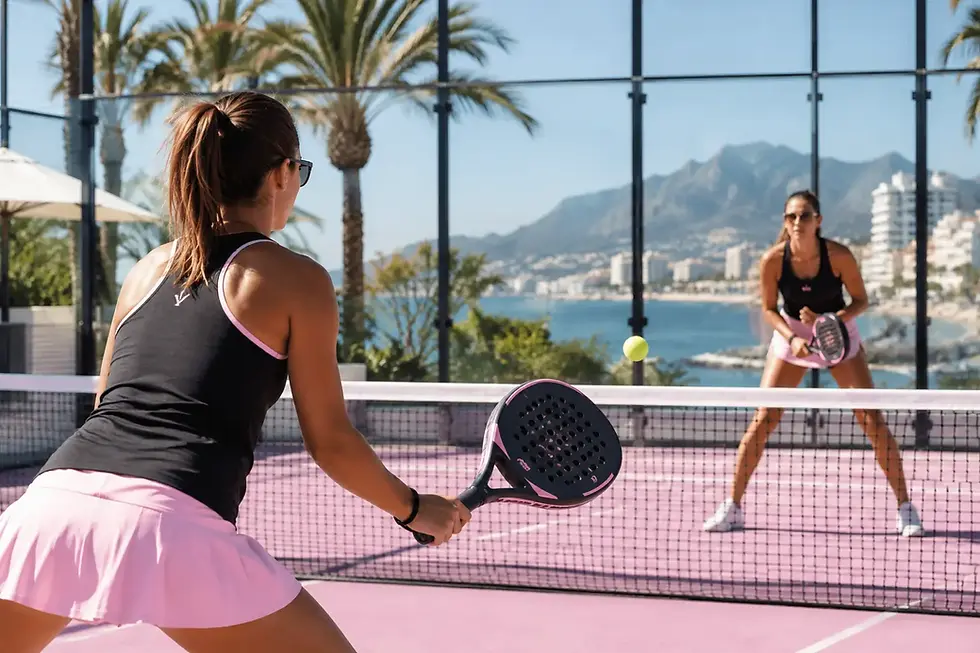
Barcelona and Madrid suit groups seeking city energy, excellent dining and straightforward international connections. Marbella and Malaga combine premium clubs with sunshine, coastal settings and a more relaxed social rhythm. Valencia, Alicante, Mallorca, Sevilla and the Costa Brava each offer their own blend of local character, accommodation options and off-court experiences.
The right choice depends on the size of the group, the season, the desired travel time and the kind of evenings your team will enjoy. A two-night city break needs efficient logistics and a venue close to the hotel. A longer incentive programme has more room for cultural activities, beach time or a slower itinerary. Premium travel should feel effortless, not overfilled.
What a well-run padel day looks like
The experience begins before the first serve. Guests need clear joining information, reliable transfers where required, suitable equipment and a warm welcome at the club. When people have travelled from different countries or arrived after a busy work period, smooth organisation is not a luxury. It lets them settle in and enjoy the occasion.
At the venue, an experienced host and English-speaking coaching team set the tone. A short introduction brings the group together, followed by a dynamic warm-up and coaching tailored to the ability mix. The sessions should be active rather than overly technical, with plenty of contact time on court and a clear progression towards games.
After coaching, the format can shift into team challenges or a tournament. This is where thoughtful event design matters. Teams should be balanced, schedules should keep waiting time low, and results should be communicated with a little theatre. Friendly competition creates momentum, but the atmosphere must remain welcoming for the person who has never held a padel racket before.
A drinks reception, lunch or evening meal then gives the group time to relive the best points and make plans beyond their usual work circles. These informal conversations are often where the day earns its place in the company calendar. They cannot be forced, but they can be encouraged by choosing a setting with real character and allowing enough unstructured time.
Make the investment feel worthwhile
Corporate team building is often judged by one question: will people talk about it afterwards? A generic activity can fill an afternoon. A premium padel experience gives colleagues a story, a shared achievement and, for many, a new sport they will continue playing at home.
To create that impact, avoid treating logistics as an afterthought. Court availability, coach-to-player ratios, racket hire, dietary requirements, transport, accommodation and weather contingency all influence the guest experience. So does pace. Trying to fit training, a tournament, sightseeing and a long dinner into a single day can leave the group more tired than connected.
It is also worth deciding how the event will be remembered. Some companies value professional photography, branded apparel or prize presentations. Others prefer a discreet, private format focused on relationships. Neither approach is automatically better. The choice should reflect the company culture and the reason the team is travelling together.
Spain Padel Experiences can shape private corporate programmes around those decisions, combining elite coaching, handpicked clubs and travel support into one considered itinerary. That means the organiser can focus on their guests rather than chasing court confirmations, restaurant bookings and last-minute transport arrangements.
The value carries beyond the court
The strongest team events do not pretend to solve every workplace issue in a weekend. They create the conditions for better conversations, more trust and a renewed sense of shared momentum. Padel delivers those conditions because it is challenging enough to be engaging, forgiving enough for beginners and naturally built around partnership.
Give your team the chance to compete, improve and enjoy Spain together. The first rally may be slightly chaotic. By the final match, people who rarely speak at work may be communicating instinctively across the court - and that is a connection worth taking home.


Comments