

Wellness-Focused Padel Holidays in Spain

A great padel trip should leave you pleasantly tired after a hard-fought match, not depleted before your flight home. That is the difference with wellness focused padel holidays: training has purpose, but recovery, good food, sleep and time away from the court are planned with equal care. You return with better habits, a clearer game plan and the energy to keep improving.
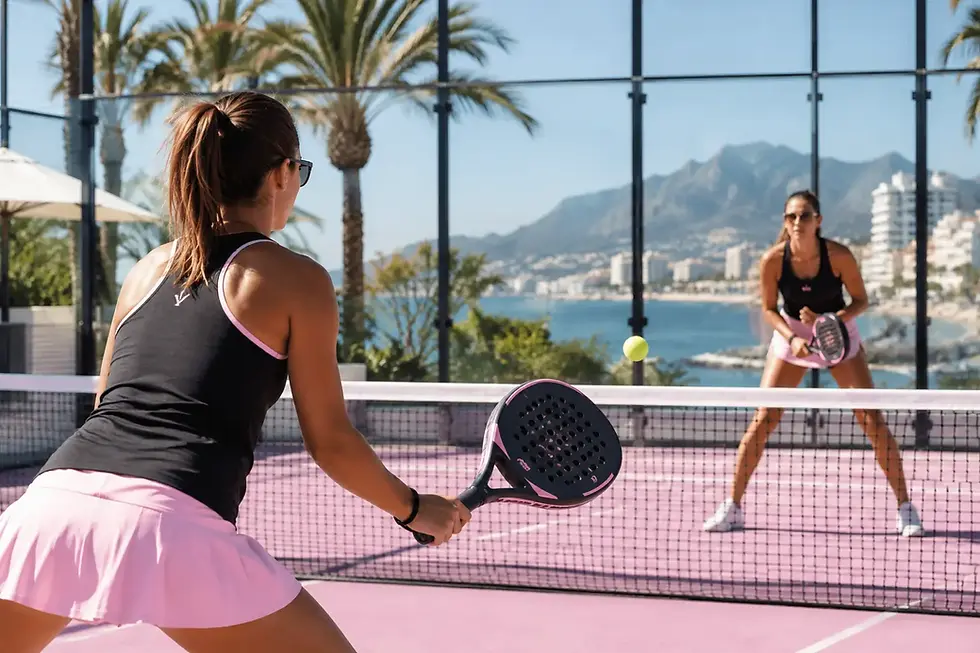
For players travelling from the UK and beyond, Spain is uniquely placed to deliver this balance. It is where padel is part of daily life, coaching standards are high, and outstanding clubs sit alongside beaches, city culture and places made for slowing down. The goal is not to pack every hour with drills. It is to create a premium sporting break that makes you feel stronger in your game and better in yourself.
What makes a padel holiday wellness-focused?
Wellness in padel is not limited to a massage or a hotel gym. Those can be excellent additions, but the real value comes from how the whole programme is structured. Court time should be challenging enough to drive progress without turning your holiday into an endurance test. Coaching should account for your current level, physical condition and what you want to improve, whether that is confidence at the net, match tactics or more consistent defence off the glass.
A well-designed experience alternates high-quality instruction with recovery windows. You may train in the morning while your concentration is fresh, enjoy a relaxed lunch, then return for guided match play later in the day. On another day, a lighter technical session can make room for a coastal walk, a swim or an unhurried evening in the city. This rhythm matters because padel rewards alert decision-making as much as physical effort.
The strongest programmes also remove the planning burden. Reliable transfers, well-timed court bookings, access to excellent clubs and clear support allow you to focus on playing and enjoying Spain. For busy professionals, that freedom is part of the wellness benefit in its own right.
Train hard enough to improve, not just to feel busy
More hours on court do not automatically produce better padel. If technique breaks down through fatigue, players can reinforce the very habits they came to change. A premium wellness-led holiday puts quality ahead of volume.
Private coaching is particularly valuable when your goals are specific. An elite coach can identify whether a missed bandeja comes from poor preparation, rushed footwork or the wrong tactical choice. They can then build sessions around the fix, rather than delivering a generic lesson. For couples, friends or small groups, tailored training also means each player stays involved, even when abilities are different.
Match play remains essential. Drills give you repetitions, but matches reveal how you react under pressure, communicate with a partner and select the right shot when the point becomes chaotic. The ideal schedule combines focused coaching with competitive but enjoyable play, followed by feedback you can apply in the next session.
There is a trade-off to consider. Players preparing for a tournament may want a more intensive block, with longer sessions and detailed tactical work. Those coming off a demanding work period may benefit more from shorter, sharper lessons and more recovery. A good provider will not force both players into the same format simply because it is easier to sell.
Recovery is part of performance
Padel places repeated demands on the shoulders, calves, hips and lower back. Quick changes of direction and overhead shots can expose weaknesses that are easy to ignore during a normal week at home. Recovery therefore deserves a place in the itinerary, especially if you are playing several days in a row.
That can mean a proper warm-up before every session, mobility work after play and sensible spacing between demanding blocks. It can also mean choosing accommodation where you can genuinely rest, rather than staying somewhere that adds unnecessary travel time and friction to each day.
Sleep is often the least glamorous part of a sports holiday, yet it is one of the most useful. Late dinners are part of Spanish life and should be enjoyed, but a packed schedule of training, nightlife and early starts will eventually catch up with you. The best approach is flexible: enjoy the destination, then protect enough downtime to play well tomorrow.
Choose a destination that supports your pace
Spain offers different versions of a wellness padel break. Your best choice depends on the atmosphere you want around the court as much as the level of coaching.
Marbella and Malaga work beautifully for players who want sunshine, high-end hospitality and a relaxed Mediterranean rhythm. Mallorca offers the appeal of island downtime, with sea views and quieter moments between sessions. Alicante and Valencia combine strong padel culture with an easy-going coastal setting, while Barcelona and Madrid suit those who want elite clubs alongside exceptional food, design and city energy.
For a more intimate escape, Costa Brava can bring a slower pace and striking scenery. Sevilla, meanwhile, is a compelling choice for groups who value character, culture and sociable evenings as much as time on court. There is no universal winner. A city break can be energising, while a coastal itinerary may make it easier to switch off. The right destination is the one that matches the way you want to feel when you return home.
Build the holiday around your real objective
Before booking, decide what success looks like. “Getting better at padel” is a good starting point, but it is broad. You may want to become more competitive in your club league, learn how to construct points with a regular partner, prepare for a first tournament or simply restore enjoyment after a frustrating run of matches.
Your objective should influence everything from lesson format to the number of days you play. A three-day break can provide a powerful reset, particularly with private coaching and match analysis. A five- or seven-day experience gives more space to assess your game, make changes and test them under match conditions. It also allows for a gentler daily rhythm, which is often more sustainable than trying to squeeze a week's worth of progress into a long weekend.
For groups, be honest about ability levels and expectations. Friends do not need identical games to share a memorable trip, but the court plan must be intelligently organised. Pairings, session intensity and coaching ratios all affect whether everyone feels challenged and included. This is where personalised planning makes a noticeable difference.
Food, culture and connection matter too
Padel is social by nature. Some of the best moments happen after the final point, when players debrief over tapas, laugh about an ambitious winner that missed by a metre, or make plans for the next match. A wellness holiday should protect that sociable side rather than make every meal feel like part of a strict athlete regime.
Spain makes balanced eating easy. Fresh fish, grilled vegetables, fruit, rice dishes and quality local produce can support active days without stripping the pleasure from dining out. Hydration is equally practical in warm conditions. A coach or host can help you time food around sessions, but the principle is simple: arrive fuelled, recover properly and enjoy what the destination does well.
Cultural time also keeps the trip from becoming one-dimensional. An evening walk through a historic neighbourhood, a beach afternoon or a local restaurant chosen for its atmosphere can reset your mind before the next day of training. For corporate groups, these moments often deliver as much team connection as the competition on court.
Why expert support changes the experience
A wellness-led padel holiday should feel considered from the first enquiry. That does not mean every minute needs to be scheduled. It means the essential details are handled well enough for you to relax into the experience.
Spain Padel Experiences brings together professional Spanish coaching, handpicked clubs and personalised travel planning so players can spend less time coordinating logistics and more time enjoying the game. English-speaking support is particularly reassuring for international guests, while a flexible itinerary leaves room for the spontaneous parts of a great holiday.
Ask practical questions before you commit. Who will coach you? How are sessions adapted to your level? Is match play included? What happens if weather or schedules change? Can the itinerary accommodate rest days, dietary preferences or non-playing partners? Clear answers are a sign that the experience is built around guests rather than a fixed timetable.
The most rewarding padel holidays are not measured only in lessons completed or matches won. They are the ones where you leave Spain with cleaner technique, renewed motivation and a routine you are genuinely excited to take back to your home court.


Comments